
The findings, published in the Journal of Proteome Research, point to specific metabolic patterns that distinguish gallbladder cancer cases from noncancerous conditions. Therefore, this research offers a potential pathway toward noninvasive screening for one of the deadliest gastrointestinal cancers.
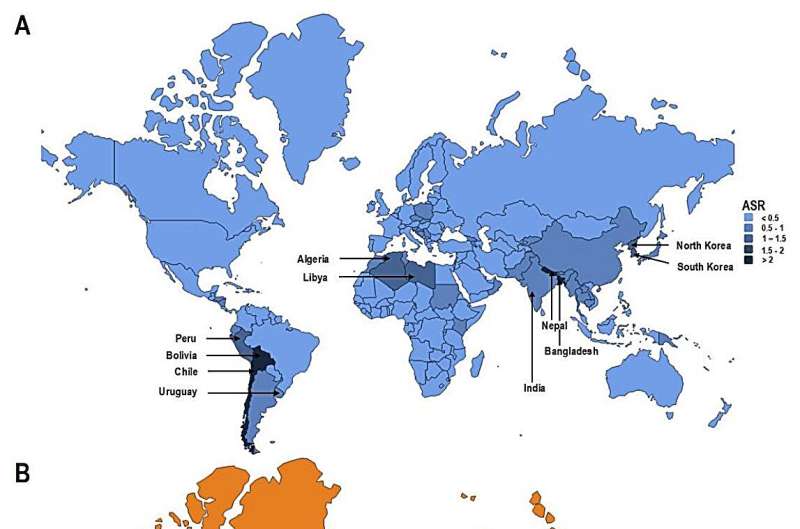
Gallbladder cancer remains relatively rare in the United States. It affects approximately 12,000 people annually, with roughly 2,000 deaths. The disease carries a poor prognosis because it often isn’t detected until advanced stages. Globally, incidence varies widely, with much higher rates in regions such as northern India’s Assam state. There, the disease is among the most common cancers and is often diagnosed late due to minimal early symptoms and limited screening.