
As parents raise their kids, they often work to teach them to be kind and to share, to think about other people and their needs—to be altruistic. This unselfish attitude is critical if a society is going to function. And yet, while some people grow up to devote themselves to others, other people still manage to grow up selfish.
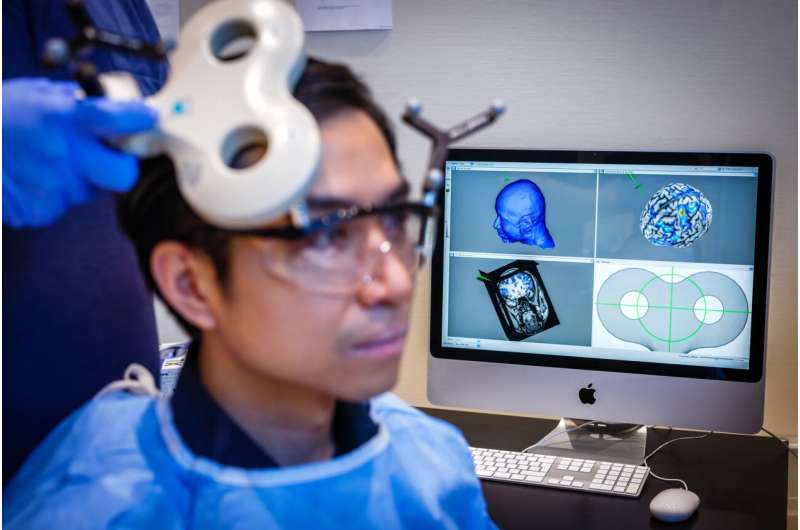
To understand what brain areas and connections might underlie individual differences in altruism, the researchers asked 44 participants to complete 540 decisions in a Dictator Game—offering to split an amount of money with someone else, which they then got to keep. Each time, the participant could make more or less money than their partner, but the amounts varied.