
While other gene-based treatments have focused on turning the gene off, the Illinois team took a different approach. The researchers designed a base-editing tool to alter a specific point in the huntingtin gene so the cell’s machinery would skip over a small section prone to generating toxic fragments while preserving enough huntingtin protein to support its normal functions.
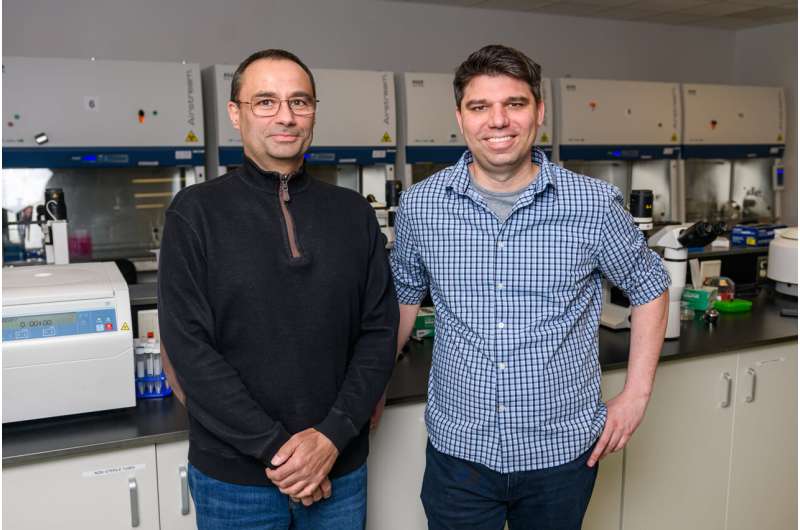
Led by Pablo Perez-Pinera and Thomas Gaj, professors of bioengineering at the U. of I., the researchers published their findings in the journal Nature Biomedical Engineering.