
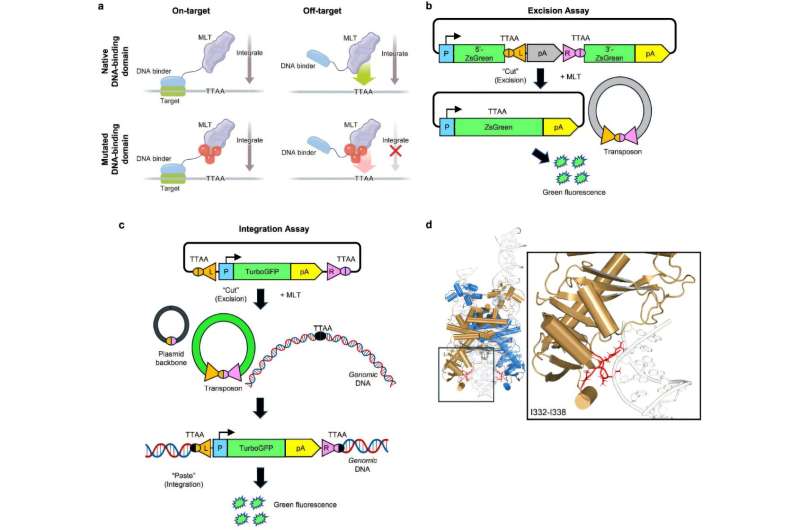
In the natural world, bits of genetic code known as transposons, sometimes called “selfish DNA,” have the ability to pick themselves up and move around the genome. The phenomenon was first discovered in corn by Nobel Prize winner Barbara McClintock. Today, those same mobile bits of DNA are being repurposed in labs across the world as powerful tools for genetic medicine.
“What we’ve done in our lab,” said Owens, “is take this natural jumping mechanism and use it to deliver healthy genes into the genome, essentially replacing a faulty one with a working copy.”
Owens explains that the approach could one day be used to treat diseases like hemophilia, where a single defective gene prevents the body from making a vital blood-clotting protein. “By inserting a corrected version of that gene, the body could start producing the protein again and essentially cure the disease at its source,” he said.