
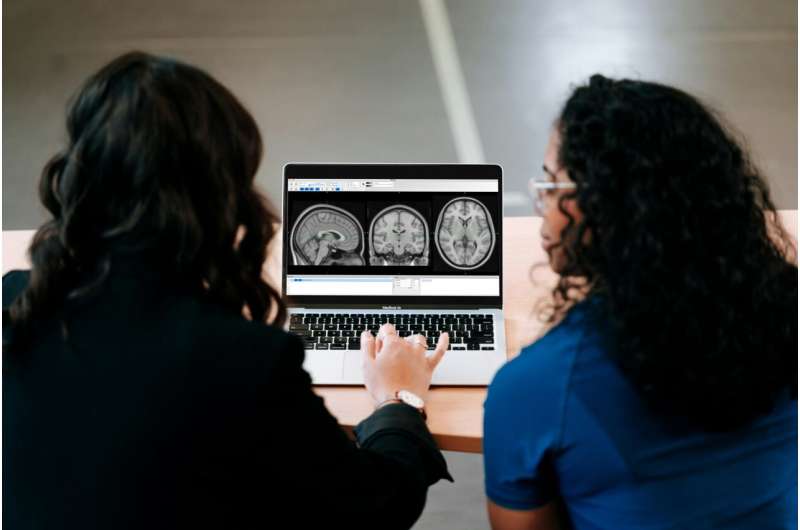
Led by NYU Langone Health psychiatrists and engineers, the study explored a technique called transcranial ultrasound stimulation in 10 men and women with schizophrenia or schizoaffective disorder who had ongoing symptoms despite drug treatment. The approach uses gentle, focused sound waves to boost or suppress brain cell activity in regions that are otherwise hard to access without surgery or other invasive procedures.
The findings revealed that a single 10-minute ultrasound session led to a modest but clear drop in delusion scores, with an average decrease of 1.2 points on a standard clinical scale used to evaluate delusion severity. By contrast, when the same patients received a sham version of the treatment, their delusion scores rose by an average of 0.4 points.