
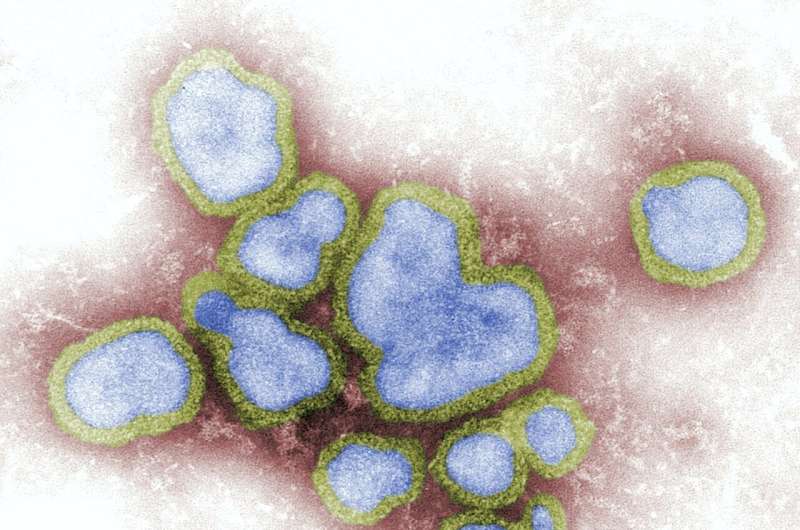
The study, published in the journal Science Immunology, sought to define whether intestinal bacteria influenced some individuals’ vulnerability to secondary bacterial infections following primary respiratory viral infection.
The work examined, in mice, whether segmented filamentous bacteria (SFB), variably present in the intestine of mammals, influenced susceptibility to secondary bacterial infection by common respiratory bacterial pathogens, namely Streptococcus pneumoniae, Haemophilus influenzae or Staphylococcus aureus, following influenza A virus infection.
The researchers found that SFB provided marked protection against these highly lethal infections. Much of the morbidity and mortality caused by influenza pandemics results from secondary bacterial infections, suggesting that an individual’s gut microbiota composition may be a pivotal factor in who survives such pandemics.