
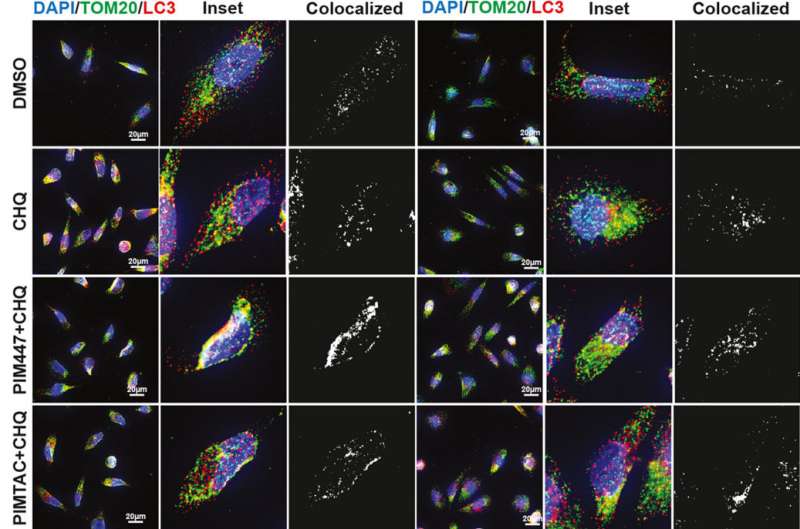
The research focuses on PIM1, a protein that drives prostate cancer cells to grow, survive and resist treatment. Although scientists have spent years developing drugs to target PIM1, these therapies have shown limited success in patients with solid tumors.
“We know that PIM1 is important for prostate cancer progression and resistance to therapy, but existing inhibitors haven’t worked well in the clinic,” said Warfel, associate professor of biochemistry and molecular biology at MUSC. “This study gives us the first real insight into why that happens and suggests a new way to target the protein more effectively.”
When blocking a protein isn’t enough
Most cancer drugs designed to target PIM1 work by inhibiting its kinase activity—the chemical signaling function that helps drive tumor growth. But Warfel’s team previously discovered that PIM1 has another side to its biology: Even when its signaling activity is blocked, the protein can continue promoting cancer cells’ survival.