
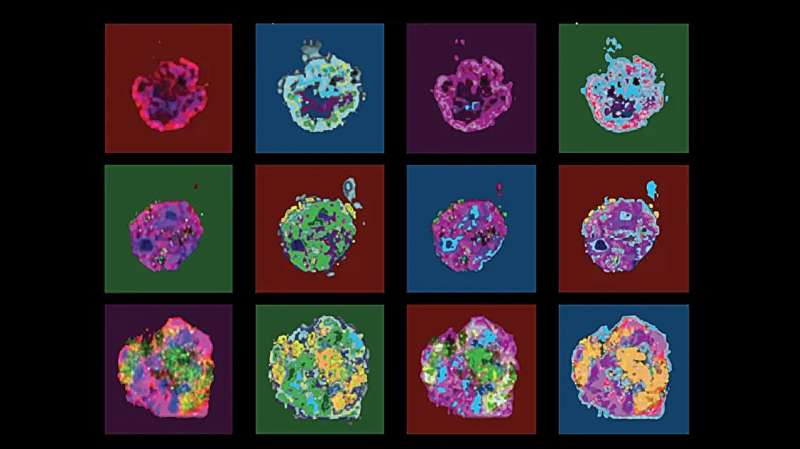
Published in the journal Proceedings of the National Academy of Sciences, a recent paper from the University of Michigan looks at details surrounding EBV’s reactivation from latent infection, known as the lytic phase of viral replication.
During lytic EBV infection, the virus co-opts the host cell’s own DNA damage repair machinery to make more virus.
“It’s a very damaging and traumatic event for the host cell,” said Elliott SoRelle, Ph.D., of the Department of Microbiology and Immunology.