
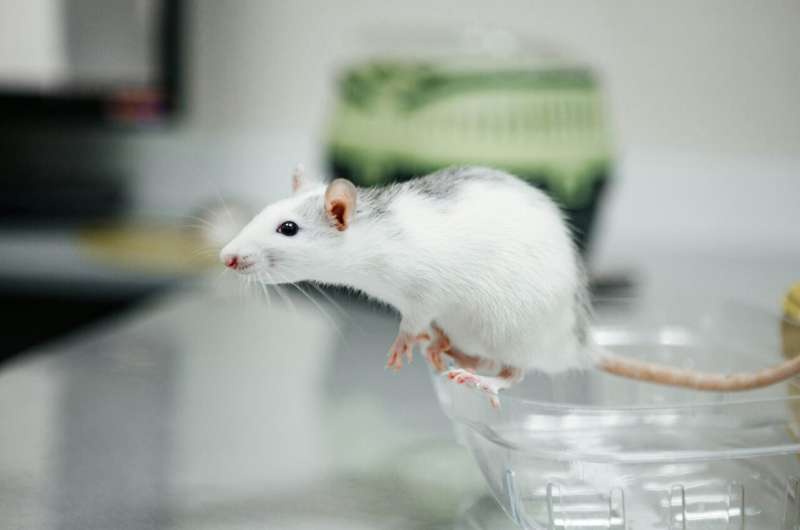
Type 1 diabetes arises when the immune system mistakenly destroys insulin-producing islet cells in the pancreas. None of the animals developed graft-versus-host disease—in which the immune system arising from the donated blood stem cells attacks healthy tissue in the recipient—and the destruction of islet cells by the native host immune system was halted. After the transplants, the animals did not require the use of the immune-suppressive drugs or insulin for the duration of the six-month experiment.
A follow-up study—published in JCI Insight—in mice with induced diabetes found that a further tweak to the pretransplant regimen allowed a drastic reduction in the dose of radiation necessary to dampen the recipient animal’s immune response to the foreign cells: from 225 centigray (cGy) to 10 cGy. For reference, a full bone marrow transplant (in which a patient’s entire immune system is destroyed prior to transplant) typically requires a dose of around 1,200 cGy; a dose of 225 cGy is well tolerated but can cause infertility and increase the risk of cancer.