
The study, published in Nature Communications, is the largest and most comprehensive prospective and genetic analysis of circulating immune and inflammation-related proteins in relation to prostate cancer risk. Prostate cancer is the most common cancer in U.K. men, yet its known risk factors (age, ethnicity, family history and genetics) are nonmodifiable, and there are no established strategies for prevention.
Tracking immune proteins years before diagnosis
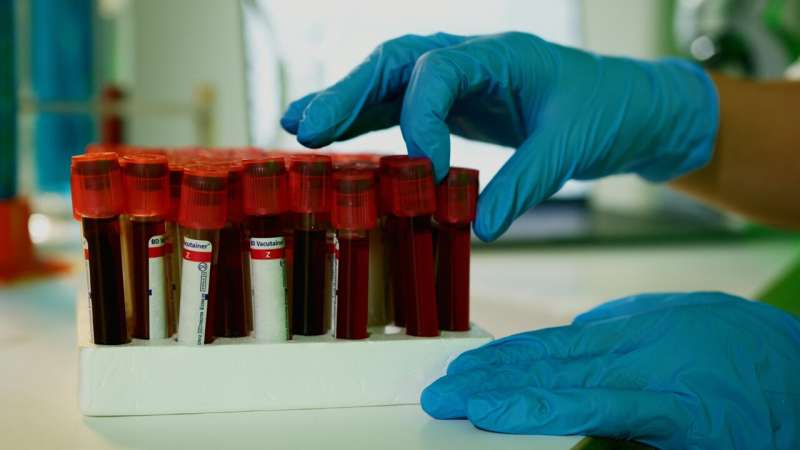
The researchers analyzed blood samples from thousands of men to investigate whether proteins involved in inflammation and immune function were associated with subsequent prostate cancer risk. They examined 368 immune- and inflammation-related proteins using the European Prospective Investigation into Cancer and Nutrition (EPIC), comparing 1,434 men who developed prostate cancer, on average more than a decade later, with 1,434 similar men who did not.