
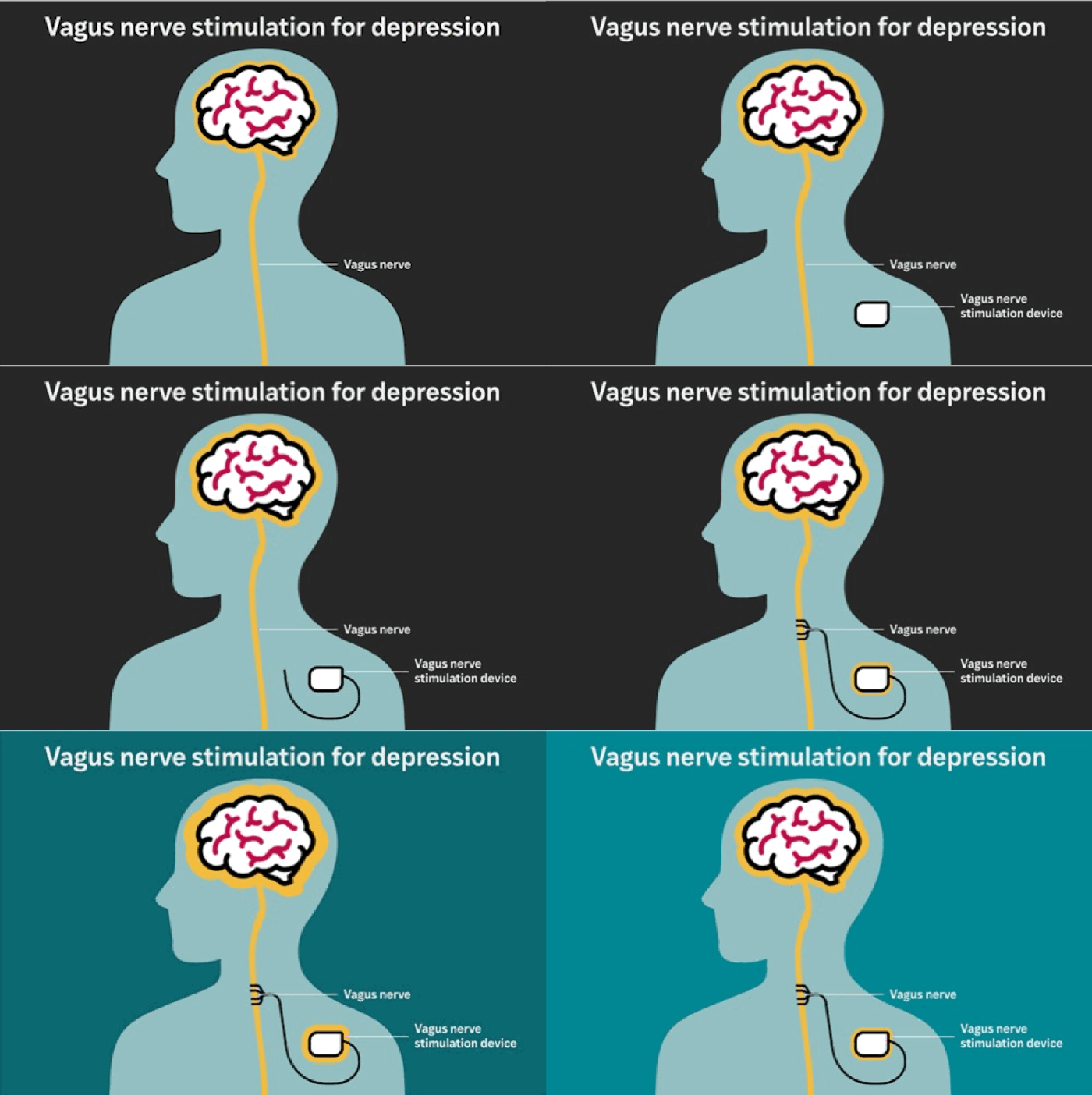
Now, a study shows that a small, implanted device may provide substantial, long‐lasting relief to people with the most severe treatment‐resistant depression.
Researchers at Washington University School of Medicine in St. Louis supervised the large, multicenter clinical trial and found that the device, which stimulates the vagus nerve, produced improvements in depressive symptoms, quality of life and other measures, such as function, that were sustained for at least two years in the vast majority of patients who reported benefits after one year.
On average, each patient had already tried 13 treatments that failed to help them, including interventions such as electroconvulsive therapy and transcranial magnetic stimulation, and had experienced depression for 29 years.