
ALS damages the nerve cells that control muscle movement, causing weakness and trouble with speaking, swallowing and breathing. But the disease doesn’t look the same for everyone. Some people decline quickly, while others lose function gradually.
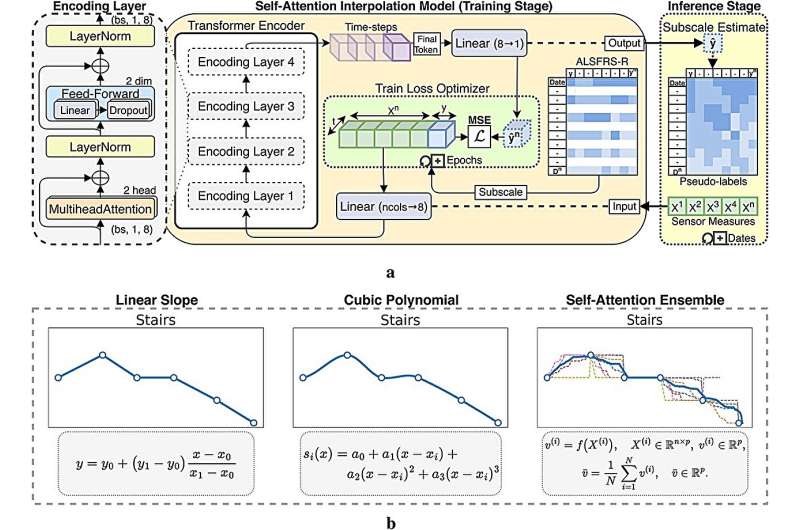
To help close those gaps in care, Janes is working with experts at Mizzou’s School of Medicine and Institute for Data Science and Informatics to build a smarter way to track ALS progression in real time. Their solution uses a combination of in-home sensors and artificial intelligence.
“Right now, we’re essentially blind to what’s happening between clinic visits,” Janes, an assistant professor in Mizzou’s College of Health Sciences, said. “With these sensors, we can detect subtle shifts in health sooner—sometimes even before a patient feels them—and act before a crisis occurs.”