
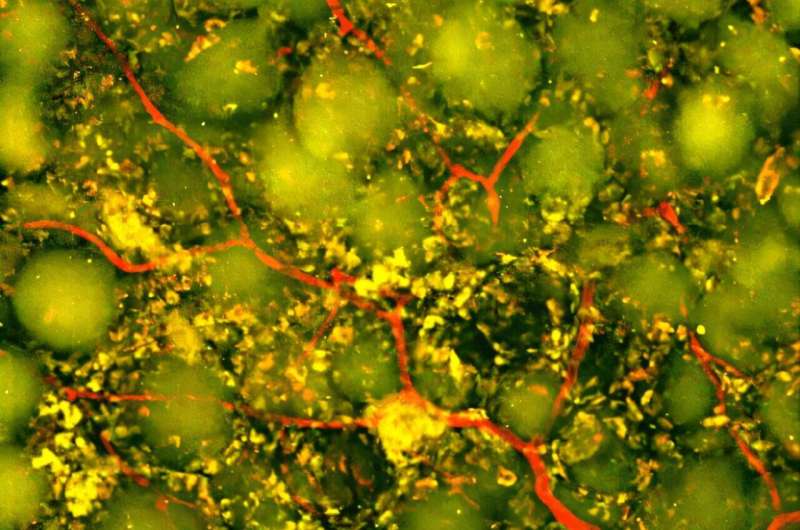
Every year, millions of people experience strokes caused by blood clots, called ischemic strokes. Immediate treatments, including clot-dissolving drugs and mechanical removal of the clot, can restore blood flow and preserve threatened brain tissue. But these treatments cannot replace tissue that has already been lost.
Large strokes can result in substantial tissue loss and leave behind a cavity at the site of the injury. After the clot is removed, recovery relies largely on rehabilitation, which helps surviving brain circuits adapt but does not directly repair the damaged area.
“Once brain tissue has been lost, restoring blood flow is no longer enough,” said Tatiana Segura, the Robert Plonsey Distinguished Professor of Biomedical Engineering at Duke. “Our goal is to engineer the injured space so that immune, vascular and neural repair processes can begin to work together.”