
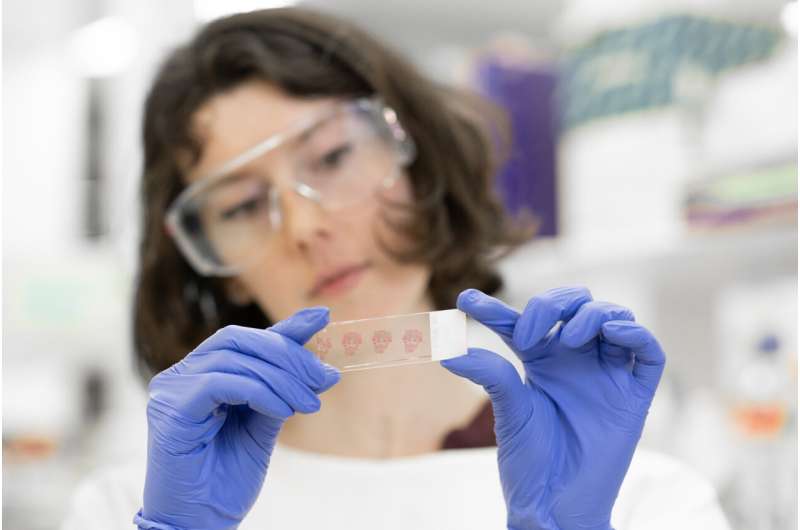
The research, from the laboratory of Professor Greg Neely at the Charles Perkins Center, will lead to a new way to treat diseases of the brain, allowing for the development of medicines that target major neurological diseases, including neurodegeneration, stroke, traumatic brain injury and rare genetic and developmental diseases.
“If we can proceed quickly to clinical trials in humans, this approach could represent a world-first noninvasive delivery system to treat Alzheimer’s that bypasses the blood-brain barrier,” Neely said.
The study was inspired by the science fiction short story “Flowers for Algernon” written by Daniel Keyes, where scientists increase intelligence in lab mice and humans to better understand the limitations of human intelligence.