
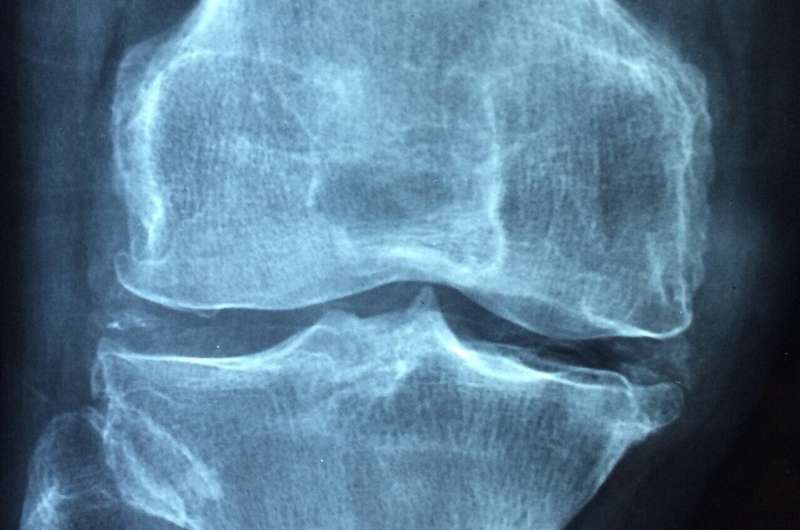
Total knee replacement is one of the most common and effective operations performed in the NHS. Although it is generally highly successful, up to one in five patients continue to experience pain or reduced function after surgery. Many of these poor results are thought to relate to movement between the kneecap and the underlying knee replacement.
One potential solution is kneecap resurfacing, which involves replacing the damaged underside of the kneecap with a smooth artificial surface during knee replacement surgery. However, whether surgeons should routinely perform this procedure has long been debated, and practice varies widely both within the U.K. and internationally.