
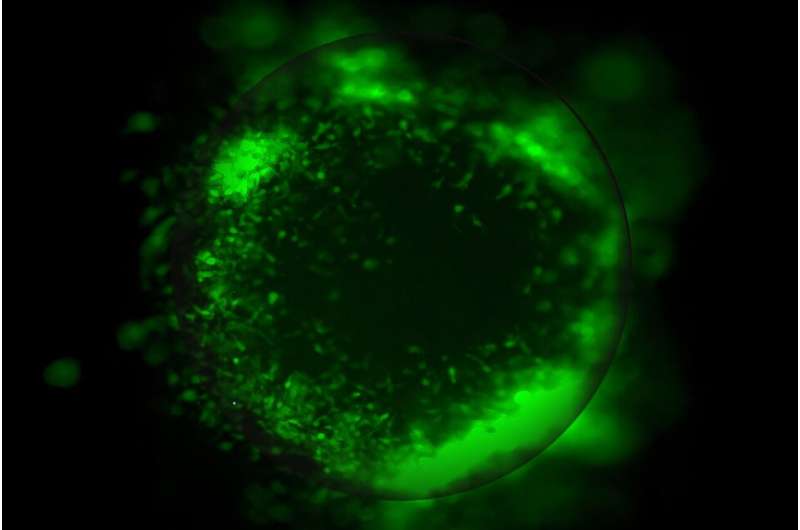
The organoid models, described in two complementary studies published in Cell Reports, are built from human stem cells and recreate the complex mix of cell types found in the human brain. This approach allows researchers to directly observe how patient-derived tumors communicate with healthy brain tissue, revealing vulnerabilities that could be targeted with more personalized therapies.
“Glioblastoma has been incredibly difficult to treat in part because we haven’t had good ways to study how tumors behave in a truly human brain environment,” said senior author of the studies Aparna Bhaduri, Ph.D., assistant professor of medicine and biological chemistry at the David Geffen School of Medicine at UCLA and investigator at the UCLA Health Jonsson Comprehensive Cancer Center.