
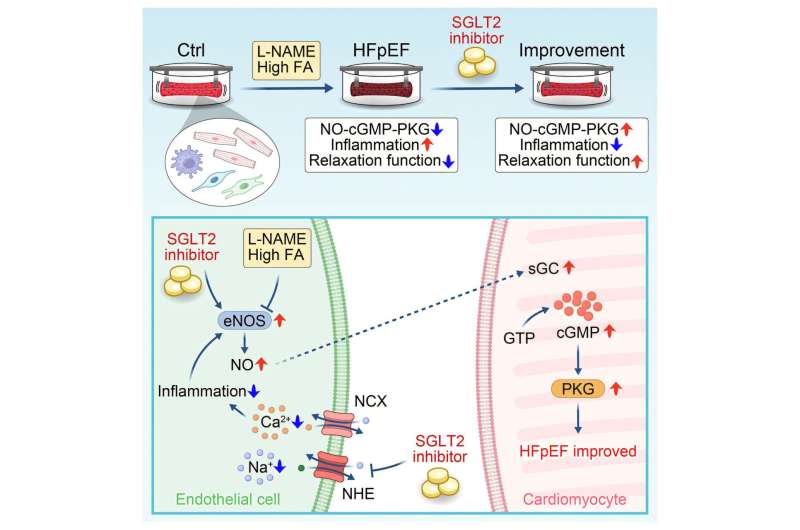
A study led by Professor Shugo Tohyama and Senior Assistant Professor Hidenori Tani from the Department of Clinical Regenerative Medicine at Fujita Health University in Japan focused on developing robust lab models of cardiomyocytes (CMs), the heart muscle cells. Years of pioneering research have led to the development of high-quality CMs from hiPSCs in a petri dish.
“During efforts to adjust the concentrations of glucose and fatty acids in the culture medium to promote heart tissue maturation, we discovered that excessive fatty acids adversely affected the dilation capacity of the heart tissues,” Tani, the study’s first author, explains regarding this breakthrough.