
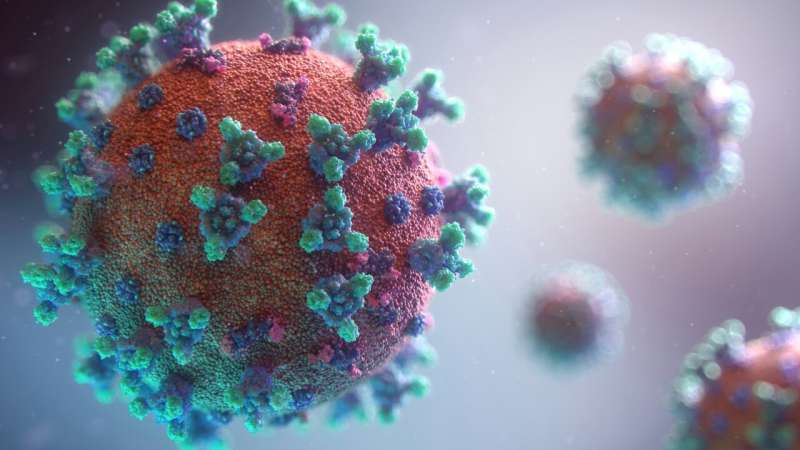
The Journal of Clinical Investigation study by researchers at Rutgers and Japanese institutions tests experimental improvements to mRNA vaccine delivery. The approach combines a high-pressure liquid jet that delivers mRNA into the skin with two substances that strengthen the immune response.
“Showing that a carrier-free, needle-free vaccine can be made protective opens a different design space than the one the field has been working in,” said co-author Renata Pasqualini of Rutgers New Jersey Medical School and Rutgers Cancer Institute, New Jersey’s only National Cancer Institute-designated comprehensive cancer center, together with RWJBarnabas Health.