Light-based scans can uncover hidden tissue damage in pelvic organ prolapse

Pelvic organ prolapse is a common but often overlooked condition that affects millions of women. It occurs when the tissues that support the pelvic organs weaken, allowing organs such as the bladder, uterus or rectum to shift from their normal position. Doctors can assess how severe the prolapse is, but existing tools do not provide much information about what's happening inside the tissue itself.

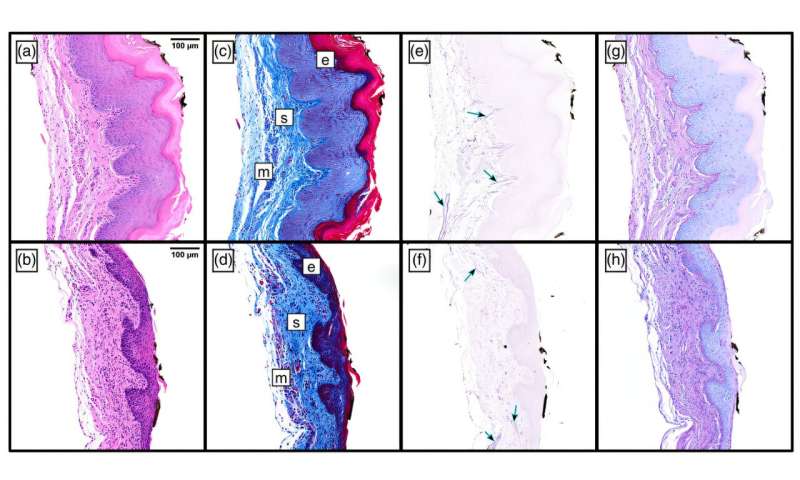
In a recent study, published in Biophotonics Discovery, researchers from the University of Texas Southwestern’s Pence Lab showed that a light-based imaging technique called Raman spectroscopy may offer a way to detect those hidden tissue changes without removing or damaging tissue. The study suggests the approach could eventually help doctors monitor tissue health and track disease progression in a much less invasive way.

Sign up for Blog Updates