
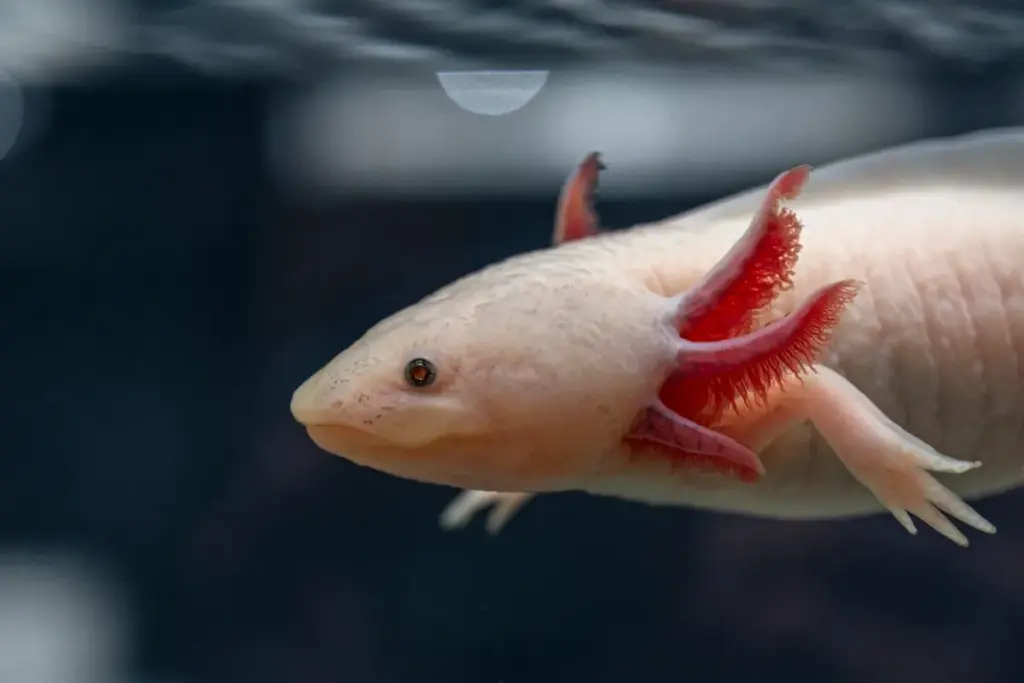
For some amphibians, like salamanders and newts, losing a limb is not a big deal. But why mammals don’t share the ability to regrow limbs after amputations has been hard to explain.
One theory involves differences in environment. Because amphibians rely heavily on water in their early stages of development, biologists suggest that lower oxygen levels may play an important role in kick-starting limb regeneration.
To find out if that’s the case, researchers from the Swiss Federal Institute of Technology in Lausanne exposed tadpoles and embryonic mice to different levels of oxygen after limbs were amputated. While the mouse embryos didn’t fully develop new limbs from scratch, the study, published in Science, noted a significant difference: wounds closed faster, and cells entered the first stages of regeneration, even activating regeneration-related genes.