
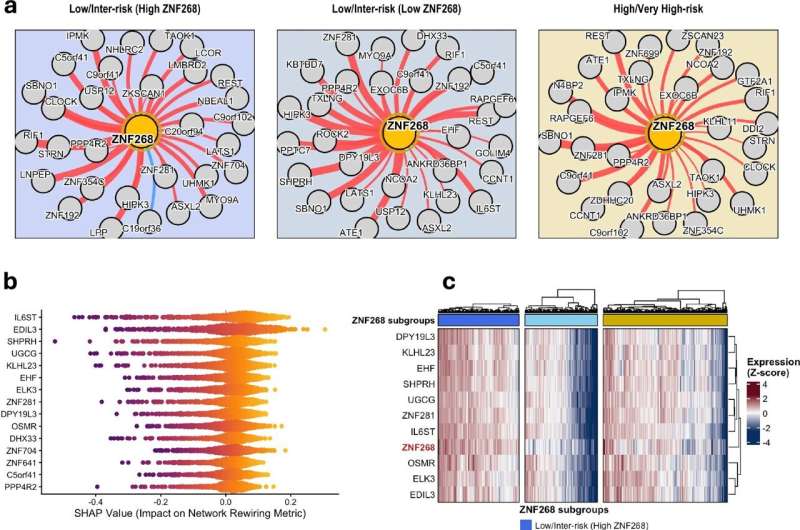
The results were published in npj Digital Medicine by researchers at KTH Royal Institute of Technology, who combined multi-omics analysis of different molecular layers with machine learning, modeling and network analysis. This new approach reveals molecular features of aggressive prostate cancer that are not captured by conventional clinical risk classification.
“The study is a good example of the type of data-driven precision medicine research we are building at KTH, combining large-scale molecular data with machine learning to address clinically relevant questions in cancer,” says assistant professor Arian Lundberg, whose A.Lundberg Lab has launched one of the largest national and international efforts to study the tumor microbiome, using extensive Swedish and global clinical cohorts.