
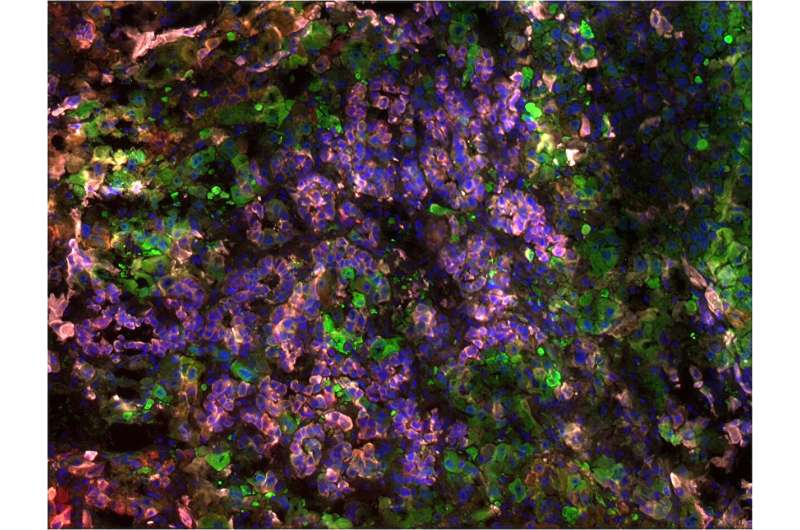
The study characterizes the microenvironment of genes that permit overexpression of MYCN, and describes a machine-learning algorithm that uses this data to predict how likely a tumor-free liver is to develop tumors.
Liver cancer, or hepatocellular carcinoma, is the cause of more than 800,000 deaths worldwide every year. The mortality rate is very high because the cancer often remains undetected until the late stages and because the recurrence rate is between 70% and 80%.
Linking MYCN to liver tumorigenesis
In hopes of discovering a much-needed method that accurately predicts at-risk livers before tumors develop, Qin and his team have been studying a protein called MYCN.