
At 3 a.m., when sleep has slipped away again, the last place a person might look for help is inside someone else’s gut.
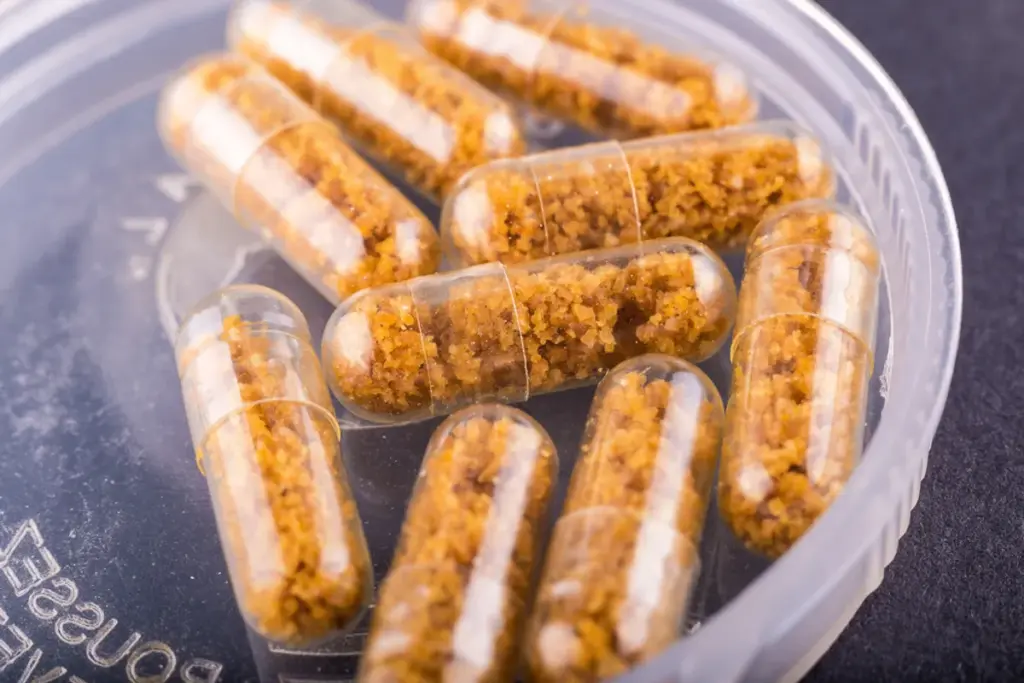
That is exactly where a new clinical trial looked. Adults with chronic insomnia who received capsules containing fecal microbes from healthy donors slept more efficiently and spent less time awake after initially falling asleep than those given a placebo.
Published in the Journal of Internal Medicine, the findings provide early evidence that changing the gut microbiome may influence how well people sleep.
“Targeting the gut microbiota may offer a promising new therapeutic strategy for chronic insomnia disorder,” said co–corresponding author Yanping Bao in a press release. “This work also strengthens our understanding of the gut–brain axis as an important regulator of human sleep.”