
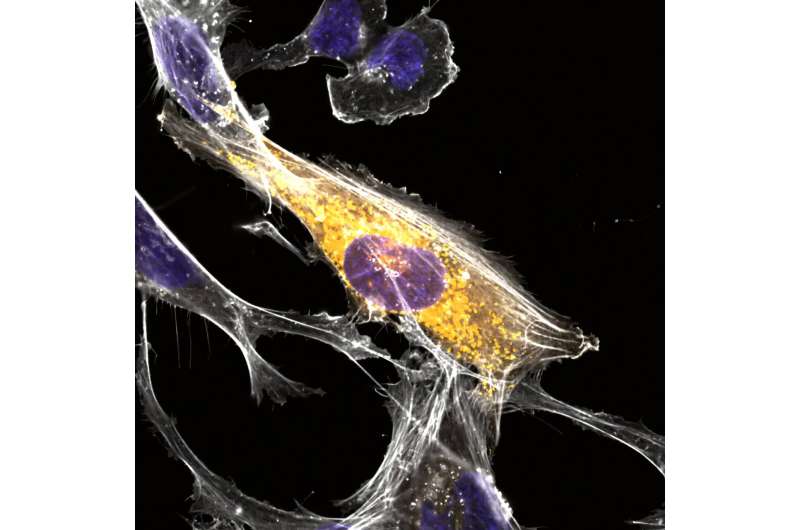
A novel microprotein atlas, developed at Salk and assembled using human brain samples, adds a whole lot more to the playbook—giving scientists more to work with and a better chance at winning the fight against neurodegeneration. The team used 480 human frontal cortex samples with and without Alzheimer’s disease to identify more than 1,000 new microproteins and found a potential link between one microprotein and brain-resident immune cell dysfunction in Alzheimer’s disease.
The study was published in Nature Aging on Sept. 14, 2026.
“We still do not fully understand the molecular mechanisms of healthy aging, and that is especially true for microproteins, which have been inadvertently overlooked for decades,” says senior and co-corresponding author Alan Saghatelian, Ph.D., a professor and Dr. Frederik Paulsen Chair at Salk. “Our atlas allows scientists to systematically investigate microproteins in aging and neurodegeneration, which should bring us closer to understanding and tackling diseases like Alzheimer’s or Parkinson’s.”