
The findings come as COVID-19 continues to affect Australians’ health, with more than 185,000 cases reported nationally in the past year, according to the Federal Government’s Notifiable Diseases Surveillance System.
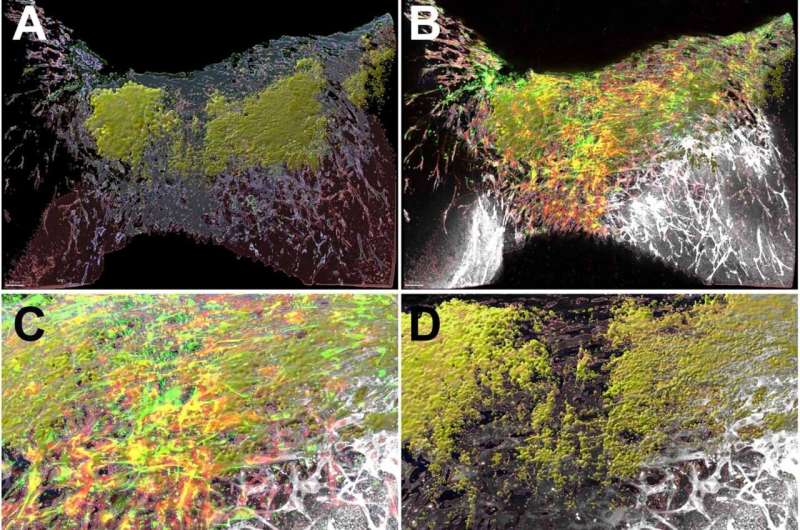
Published in the journal Biofabrication, the study used tiny, beating clusters of human heart cells known as cardiac spheroids or “mini-hearts” that behave more like real human heart tissue than standard laboratory cell models. Using this 3D system, the team showed that the SARS-CoV-2 virus can directly infect heart tissue, triggering damaging inflammation and changes linked to impaired heart function.