
This marvel of biological machinery lacks an internal mechanic, however, it cannot repair itself after a heart attack. Researchers have shown that the mammalian heart’s self-repair system isn’t completely absent. Newborn mouse hearts can regenerate for up to a week after birth.
Beyond that early window, are the heart’s fix-it powers lost for good? Or do they linger, dormant, able to be roused by the proper signal?
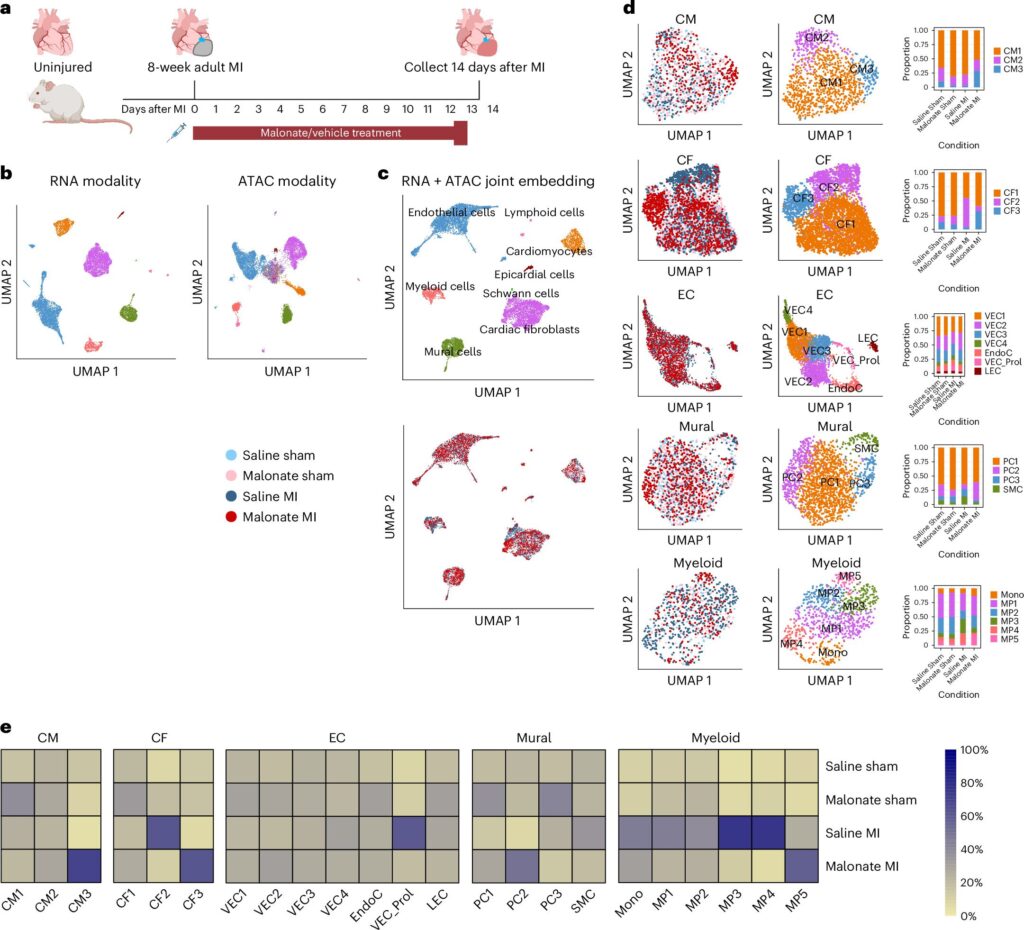
Scientists at Sanford Burnham Prebys Medical Discovery Institute and their collaborators across the U.S. published findings in Nature Cardiovascular Research detailing how a treatment enhances regeneration and cardiac function in mice.