
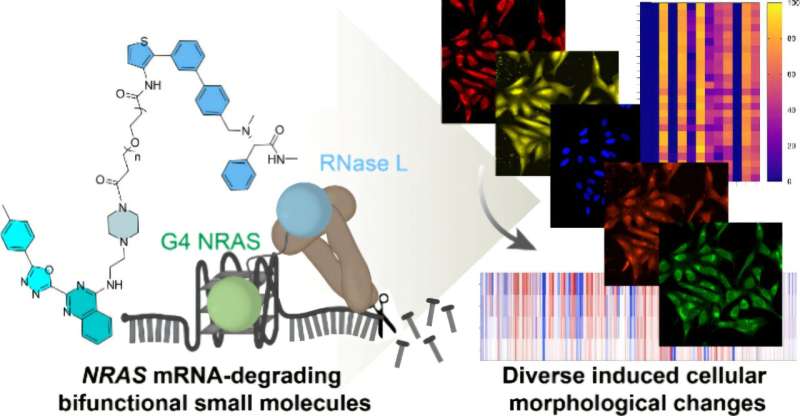
The RAS protein is pathologically altered in a wide range of cancers: It causes about 40% of colorectal cancer cases and more than 90% of pancreatic cancer cases, the deadliest of all cancers. A new drug targeting RAS would be a real game changer for cancer therapy. However, RAS was long considered undruggable because it is very difficult to target using common pharmaceutical approaches. And although the first RAS drug for the treatment of lung cancer was approved in 2021, the development of further drugs remains complex and costly. New, alternative strategies could provide a solution.
An American research team, in collaboration with MPI researchers in Dortmund, recently developed a promising alternative approach to cancer therapy.