
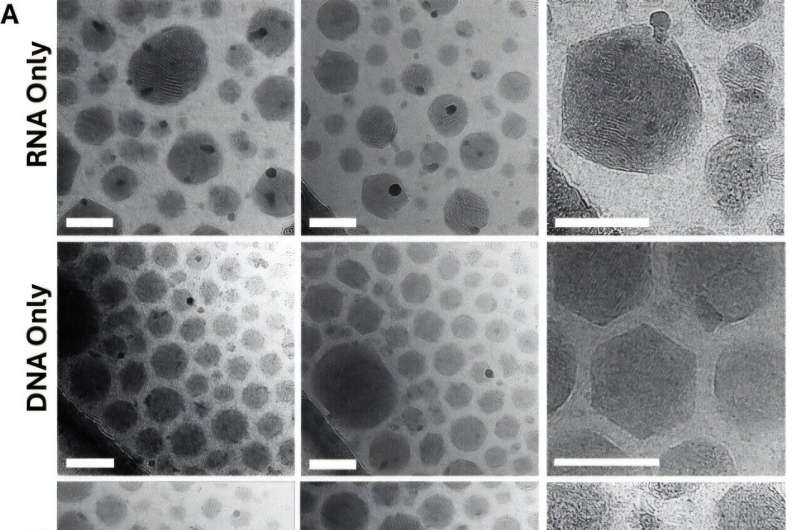
The study, published in Advanced Functional Materials, shows that lipid nanoparticles—tiny fat-based particles widely used to deliver mRNA vaccines—can be engineered to carry the complex molecular cargo required for precise insertion of a large full-length gene into the genome without using viral vectors.
“This work shows that we can package everything needed for precise gene insertion into a single, non-viral delivery system,” said Dr. Steven Jonas, senior author of the study and a member of the UCLA Broad Stem Cell Research Center. “That’s a critical step toward developing gene therapies that can work across many different disease-causing mutations.”