
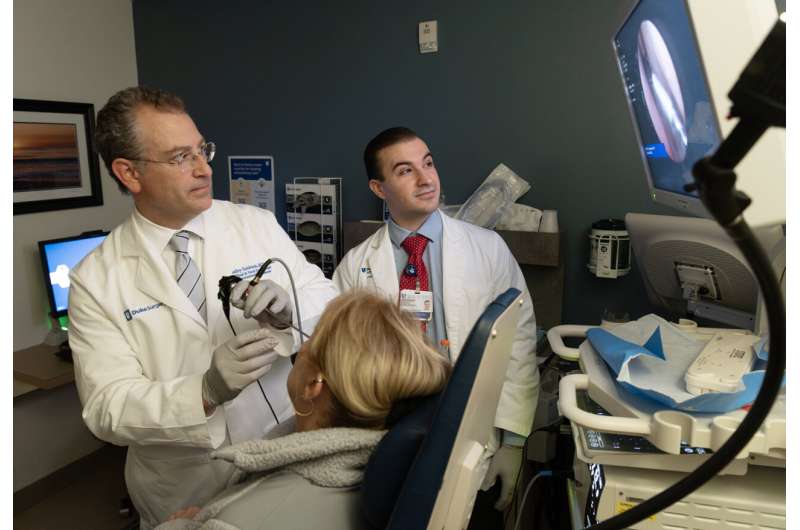
The study, published in Nature Communications, used a gentle swab placed high inside the nose to collect nerve and immune cells. When researchers analyzed these cells, they found clear patterns that separated people with early or diagnosed Alzheimer’s from those without the disease.
“We want to be able to confirm Alzheimer’s very early, before damage has a chance to build up in the brain,” said Bradley J. Goldstein, M.D., Ph.D., corresponding author and professor in the departments of Head and Neck Surgery & Communication Sciences, Cell Biology and Neurobiology at Duke University School of Medicine.