
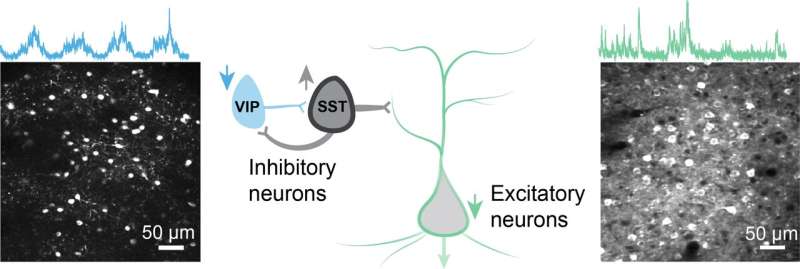
Huntington’s disease is a devastating brain disorder in which decaying nerve cells lead to progressively worsening cognitive and movement abilities. While the genetic mutation responsible for the condition is well known, the intricate details of how the disease disrupts specific brain circuits have not been clearly understood. This gap has complicated efforts to develop effective therapies, and the disease remains fatal, with no known cure.
“This work shows that correcting specific imbalances in brain circuits can restore function, even in a complex neurodegenerative condition, and highlights the potential of targeting defined cell types to promote recovery,” said study senior author Takaki Komiyama, a professor in the UC San Diego Departments of Neurobiology (School of Biological Sciences) and Neurosciences (School of Medicine).