
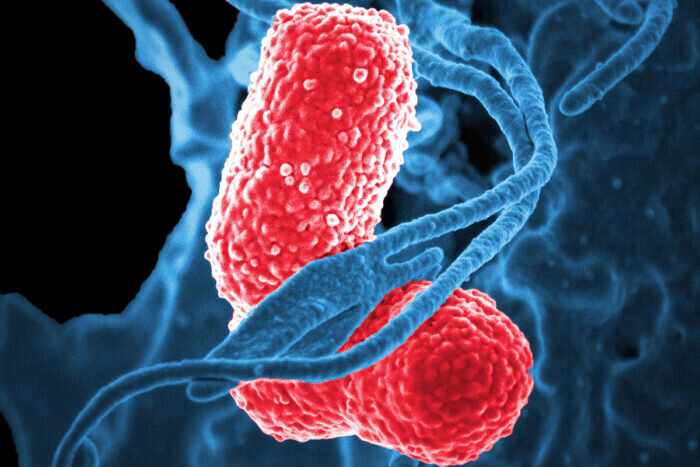
Unlike any antibiotic currently used in clinics, it works by blocking the exit site of the ribosome, the protein-producing machinery found inside every bacterial cell. The discovery, published in Nature, marks the fourth new antibiotic candidate from Wright’s lab in just over a year, underscoring a promising new approach to drug discovery at a time when antibiotic resistance is a growing global threat.
“Not a single antibiotic prescribed in clinics today does what manikomycin does,” says Wright, a member of the Michael G. DeGroote Institute of Infectious Disease Research. “Not azithromycin, not tetracycline—none of them. So, we’ve not only found a brand-new drug candidate, but we’ve also established a brand-new target in bacteria that could potentially be exploited with other new drugs.”