
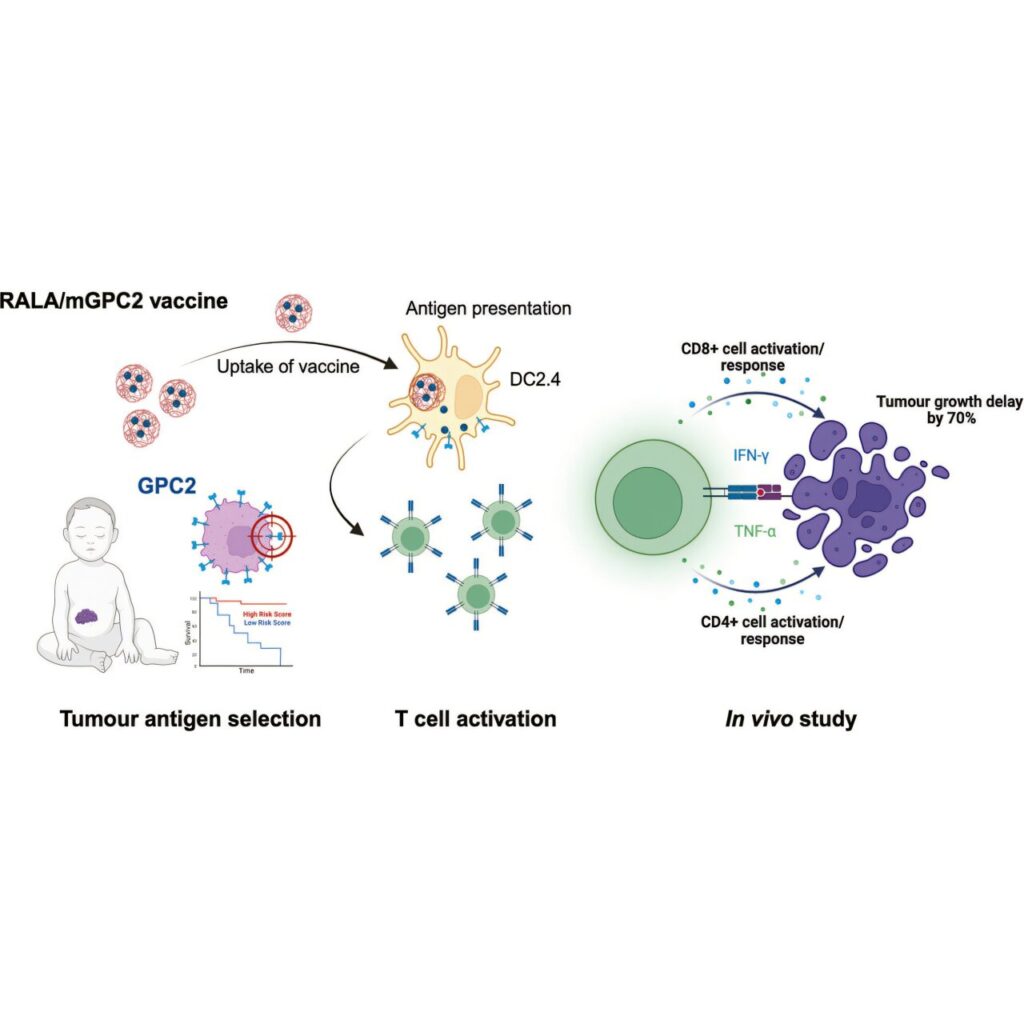
Researchers, led by Dr. Olga Piskareva, senior lecturer in the RCSI Department of Anatomy and Regenerative Medicine, tested an mRNA vaccine using peptide carriers for its effect on neuroblastoma tumors. The results show that the vaccine, which helps the immune system recognize and fight neuroblastoma, delayed tumor development in preclinical models by 10–11 days and significantly reduced tumor size by 70%.
Despite advances in therapy, neuroblastoma remains a leading cause of childhood cancer deaths, accounting for 15% of childhood cancer deaths overall. Between five and 10 cases are diagnosed in Ireland each year, with 80% of patients showing no significant response to current treatments.
Piskareva stated, “The mRNA vaccine technology is like LEGO bricks. By combining different bricks, we can tailor the vaccine to the individual’s needs with high precision. This pilot study indicates promising potential in the development of anticancer vaccines for neuroblastoma, offering new hope for children and families suffering from the disease. We are at the beginning of the mRNA vaccine development road, but the first milestone has been successfully completed.”