
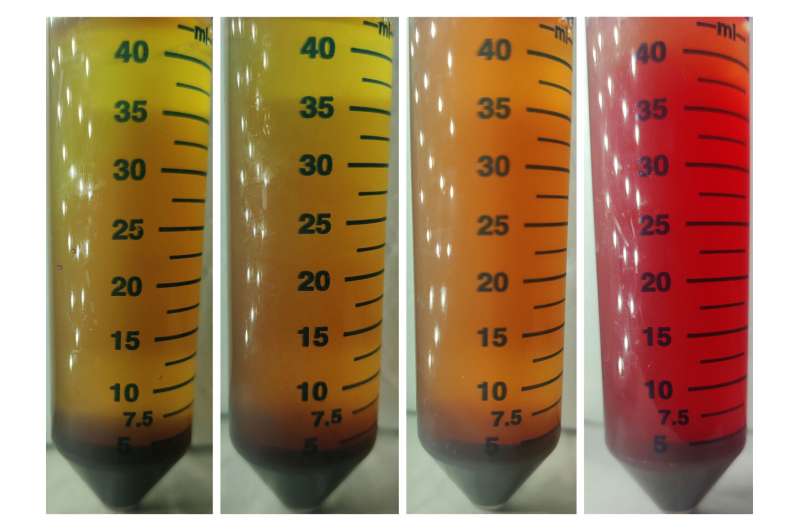
A team led by an engineer at Penn State has developed a way to condense the dayslong diagnosis timeline to just hours. The new approach rapidly grows the bacteria present in collected blood samples, intermittently analyzing the samples with advanced techniques that help scientists identify the specific pathogens causing infection.
The researchers report in a paper published in Science Advances that their approach facilitated faster diagnosis and could help clinical decision-making that avoids worsening antibiotic resistance in the bacterial strains causing infections.
“For a physician, ‘what actually caused this infection and how should it be treated?’ are the most important questions when it comes to the timely management of a bloodstream infection,” said corresponding author Pak Kin Wong, professor of biomedical engineering and mechanical engineering.