
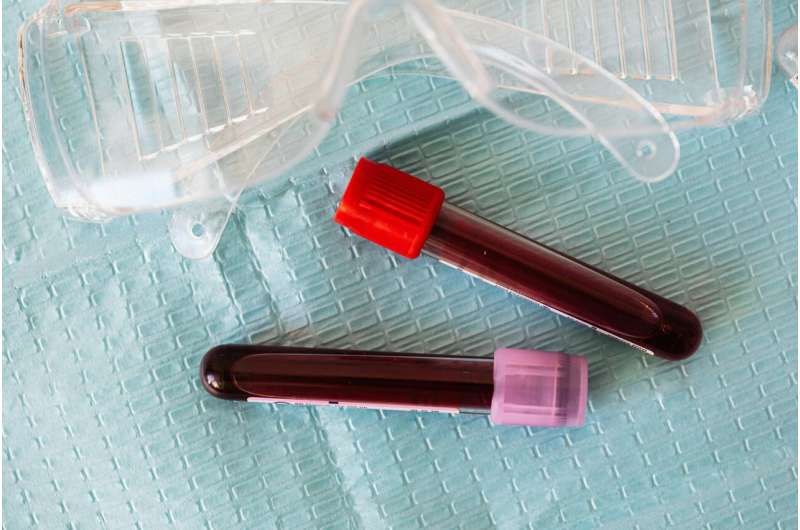
BD-tau can also predict patients’ functional outcome months to years later and detect differences associated with successful vessel reopening as well as the effect of a drug tested in a clinical trial. The biomarker could also have applications for other neurological conditions.
Co-first authored by Dr. Naomi Vlegels and Nicoló Luca Knuth, the paper has been published in the journal Science Translational Medicine.
In ischemic stroke, part of the brain is no longer adequately supplied with blood. Clinical decisions for people who suddenly develop paralyses or speech problems are currently based largely on CT or MRI scans.