
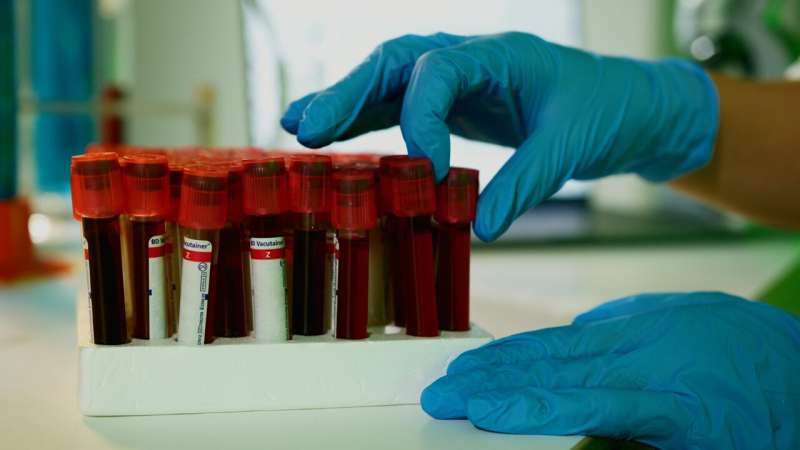
Research led by Duke Health, in collaboration with the University of Minnesota, has found that small RNA molecules known as piRNAs can accurately predict whether older adults are likely to survive at least two more years.
The findings, published in Aging Cell, suggest that a simple blood test could one day help identify survival risks earlier and guide treatment strategies to promote healthy aging.
“The combination of just a few piRNAs was the strongest predictor of two-year survival in older adults—stronger than age, lifestyle habits, or any other health measures we examined,” said Virginia Byers Kraus, M.D., Ph.D., senior author of the study and professor in the departments of Medicine, Pathology and Orthopedic Surgery at Duke University School of Medicine.