
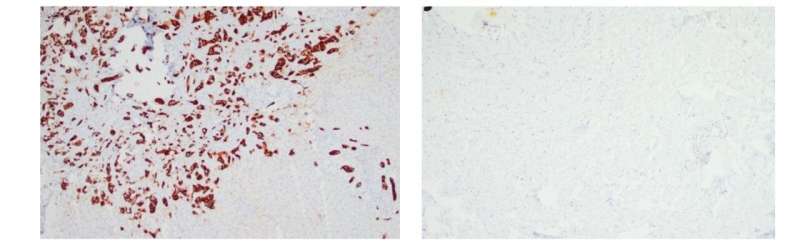
Most strikingly, one patient experienced a pathologic complete response—meaning no viable cancer cells could be found—and remains cancer-free for more than two years without further treatment. These findings offer an important signal that a new approach may be able to overcome one of the disease’s greatest challenges: its resistance to immunotherapy.
“We desperately need new tools in our arsenal,” said Gulam Manji, MD, PhD, a medical oncologist specializing in pancreatic cancer and lead investigator of the trial. “Immunotherapy has transformed treatment for many other cancers, but so far, we haven’t seen that same success in pancreatic cancer.”
Breaking through pancreatic cancer’s defenses
The “tumor microenvironment”—the complex ecosystem of immune cells, connective tissue, blood vessels and other components surrounding a tumor—is likely to blame. In pancreatic cancer, that environment is particularly immunosuppressive, shielding the tumor from immune attack and making it one of the biggest barriers to effective immunotherapy.