
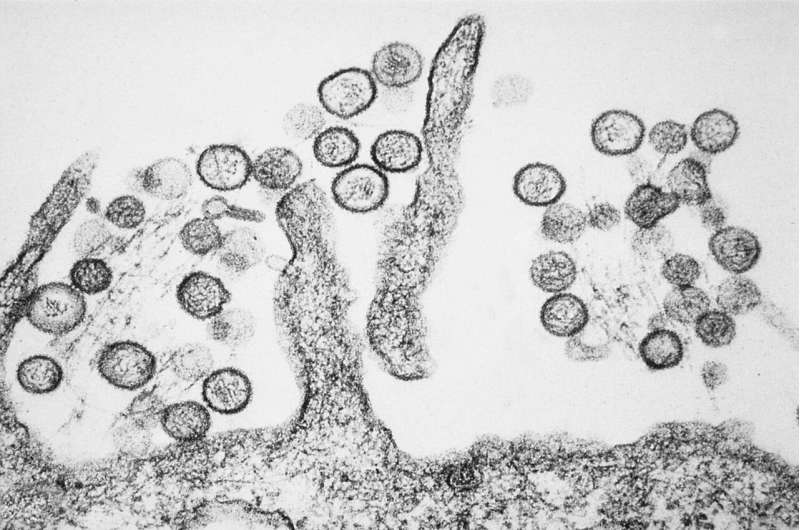
Infections by hantaviruses are rare but dangerous, killing 30–40% of infected people. When cases occur, public health officials need rapid, detailed information about the virus to identify the strain and its origin, so they can stop others from being exposed to the disease. Whole genome sequencing is an integral part of this work, though the genomes of these viruses are difficult to sequence using existing approaches.
About 30 people are infected by hantaviruses in the United States every year, according to the Centers for Disease Control and Prevention, and most U.S. cases are caused by Sin Nombre virus, which is carried by the deer mouse. Whole genome sequencing can help microbiologists and epidemiologists better understand the complexities of hantaviruses. Having the sequence in hand can also help researchers trace infections. “When there’s an outbreak or even a case, we need to know where that person was exposed so we can stop other people from being exposed,” Manson explained.