
The World Health Organization estimates 64% of people under 50 worldwide carry herpes simplex virus type 1, or HSV-1. Infection is lifelong, with the virus generally remaining dormant in nerve cells between episodes of reactivation—with most people never having had a cold sore or any other visible signs of the disease.
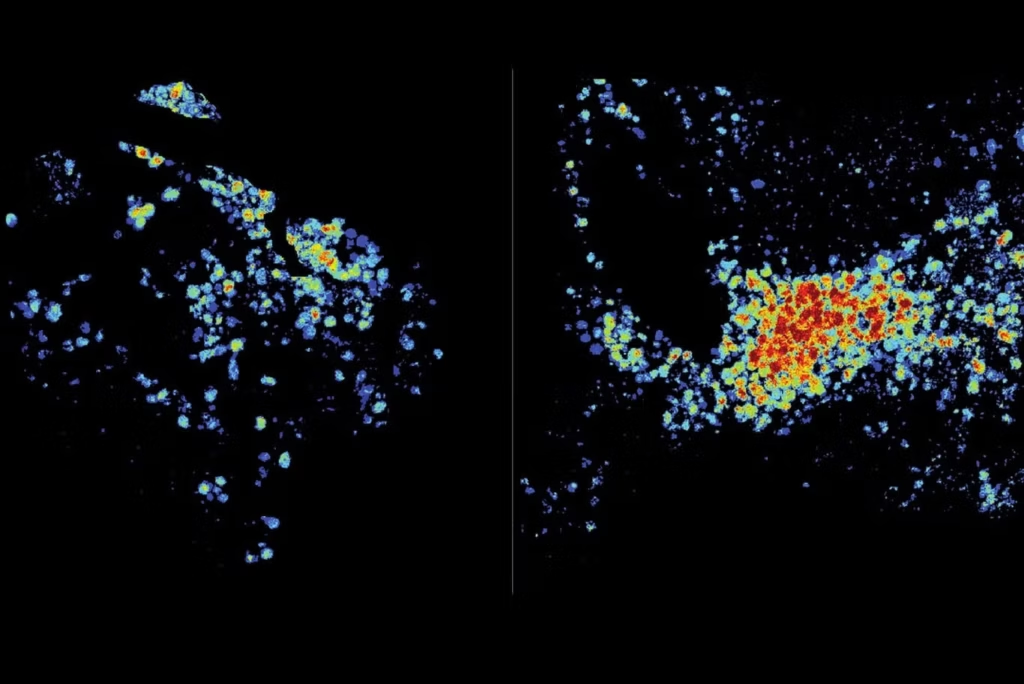
However, emerging research has now linked chronic or recurring latent HSV-1 reactivation to neuroinflammation, amyloid beta and tau protein accumulation, and higher dementia risk including Alzheimer’s disease.
The mechanism behind this possible linkage remains unknown and difficult to uncover, most notably because it is difficult to study molecular mechanisms within living brains.