
Some genetic mutations that are expected to completely stop a gene from working surprisingly cause only mild or even no symptoms. Researchers in previous studies have discovered one reason why: Cells can ramp up the activity of other genes that perform similar functions to make up for the loss of an important gene’s function.
A new study published Feb. 12 in the journal Science by researchers in the lab of Jonathan Weissman, an MIT professor of biology and Whitehead Institute for Biomedical Research member, now reveals insights into how cells can coordinate this compensation response.
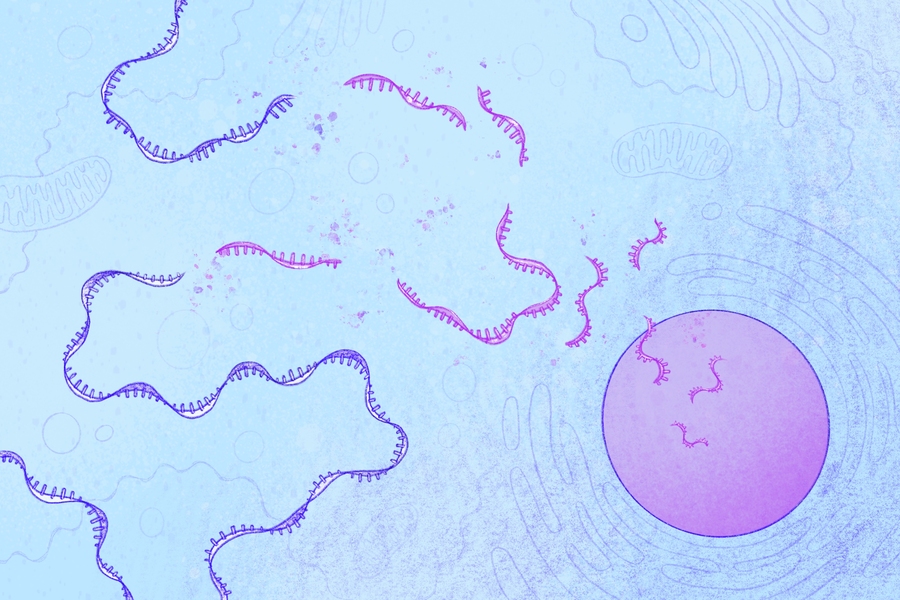
Cells are constantly reading instructions stored in DNA. These instructions, called genes, tell them how to make the many proteins that carry out complex processes needed to sustain life. But first, they need to make a temporary copy of these genetic instructions called messenger RNA, or mRNA.