
Immunotherapy has improved treatment for many cancer patients, but not everyone responds to treatment. To develop better therapies, greater knowledge is needed about the mechanisms that determine whether a treatment works.
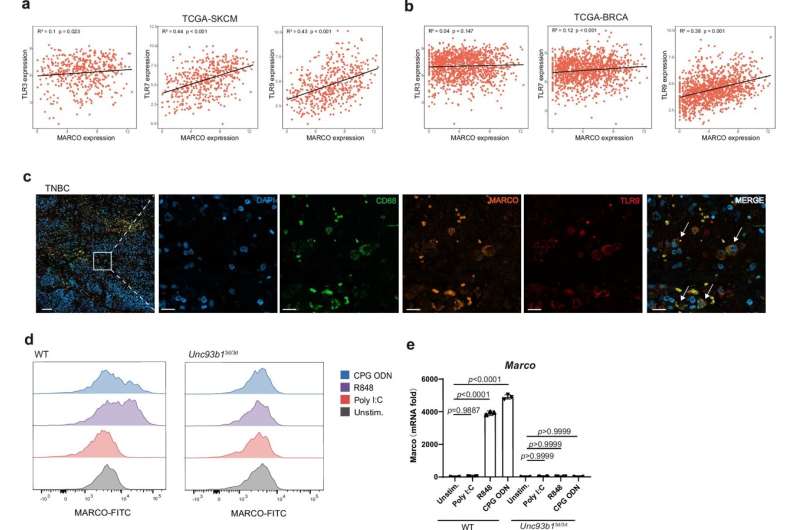
In the current study, the researchers investigated an immunotherapeutic strategy that targets macrophages in the tumor microenvironment. Macrophages can either support or counteract the body’s defense against cancer, depending on how they are programmed. The treatment aims to alter the function of the macrophages so that they instead help the immune system fight the tumor.
The researchers found that the treatment depends on a group of receptors known as endosomal Toll-like receptors, particularly TLR9. When these receptors were absent, the macrophages remained in an immunosuppressive state, and the treatment did not affect tumor growth.