
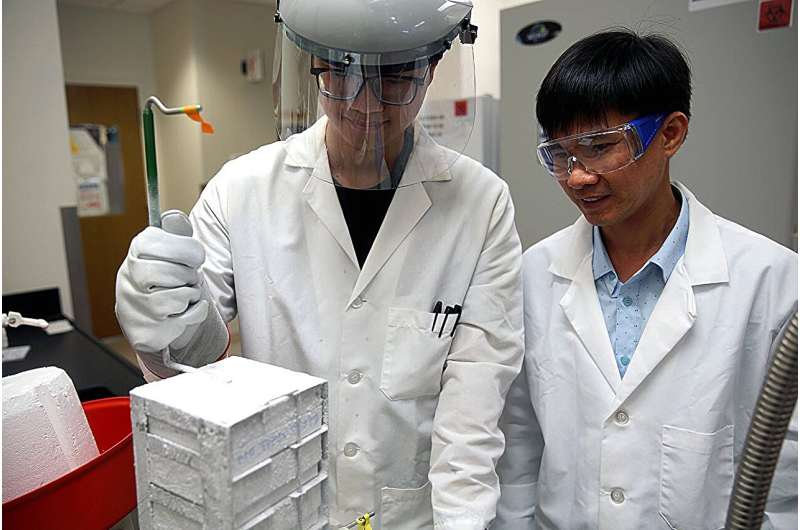
Their study, recently published in Trends Open, focuses on transfer RNA (tRNA), molecules within cells that help build proteins and energize cells. Nguyen is working to chemically modify these molecules to expand the function of T cells, specialized white blood cells that are the cornerstone of the body’s immunity. The findings represent an important first step toward understanding whether tRNA can eventually be manipulated to fine-tune immune responses to multiple diseases.
T cells play a key role in identifying and killing invasive abnormalities within the body, including infections and cancers. The cells also allow the body to remember previous infections and respond more quickly if reinfected or attacked, says Cuong Pham, a biomedical sciences Ph.D. candidate working under Nguyen who served as the study’s first author.