
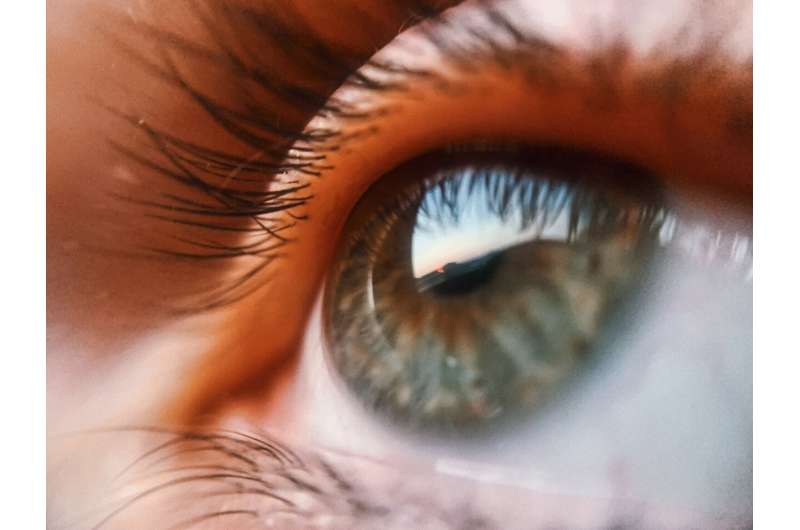
Aniridia is a surface disorder affecting the limbal stem cells, which form the border between the sclera (white of the eye) and cornea (the clear area at the front of the eye). It is mostly an inherited genetic eye development disease, resulting in profound vision loss.
ARK is a progressive form of aniridia that leads to a deficiency of limbal stem cells, affecting one in 40,000 to 100,000 people. It leads to conjunctival tissue growing over the cornea, turning the eye opaque and forming a thickening layer that gradually worsens vision. It results from a mutation in the PAX6 gene.
For the first time, researchers at Moorfields and UCL developed a collagen scaffold. This was tissue-engineered to deliver limbal epithelial stem cells and stromal stem cells to treat the affected area. One eye received this intervention, while the other did not and acted as a control.