
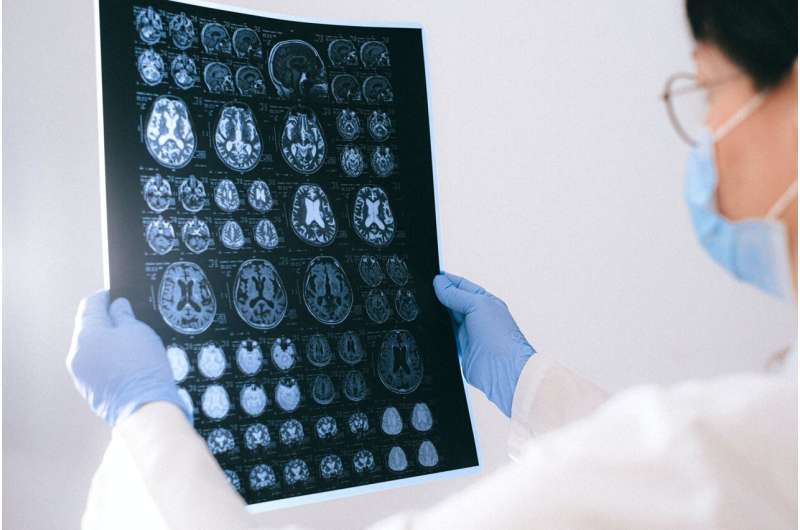
“This study represents an important step toward developing safer and more effective T-cell therapies for children with devastating brain cancers,” said Catherine Bollard, MBChB, MD, senior vice president and chief research officer at Children’s National, and co-senior author of the study. “Even in this early-stage trial focused on safety, we were encouraged to see lasting clinical benefit in several patients who otherwise had very few options.”
The phase 1 study evaluated a novel multitargeted T-cell therapy designed to strike three proteins commonly found in pediatric brain tumors—WT1, PRAME and survivin. Investigators say the results provide early evidence that the patient’s own immune cells, delivered through the bloodstream, can reach and fight tumors in the brain while producing fewer severe side effects than some existing engineered immune therapies. Many other brain tumor immunotherapies require direct injection into the brain or cerebrospinal fluid.