
More than 100 million people in the United States suffer from metabolic dysfunction-associated steatotic liver disease (MASLD), characterized by a buildup of fat in the liver. This condition can lead to the development of more severe liver disease that causes inflammation and fibrosis.
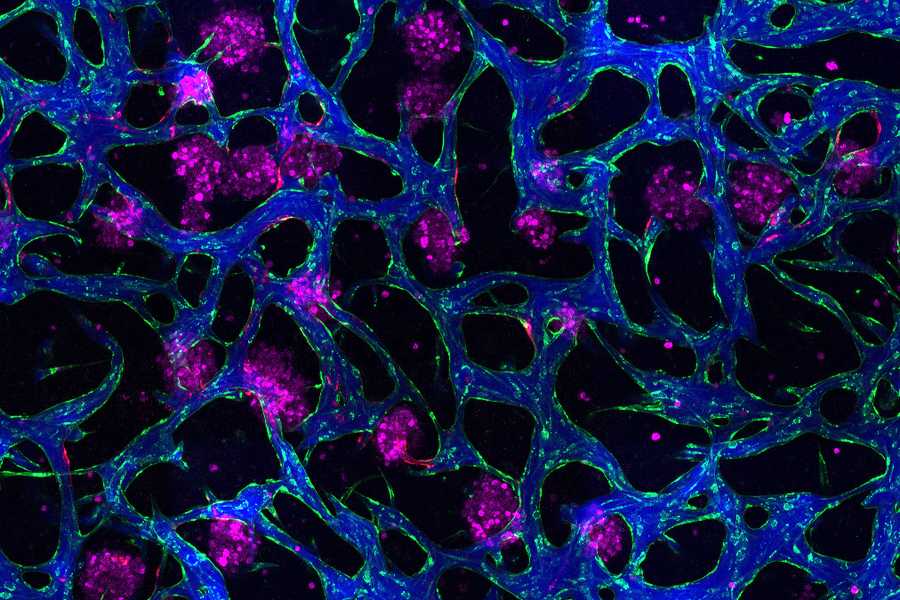
In hopes of discovering new treatments for these liver diseases, MIT engineers have designed a new type of tissue model that more accurately mimics the architecture of the liver, including blood vessels and immune cells.
Reporting their findings today in Nature Communications, the researchers showed that this model could accurately replicate the inflammation and metabolic dysfunction that occur in the early stages of liver disease. Such a device could help researchers identify and test new drugs to treat those conditions.