
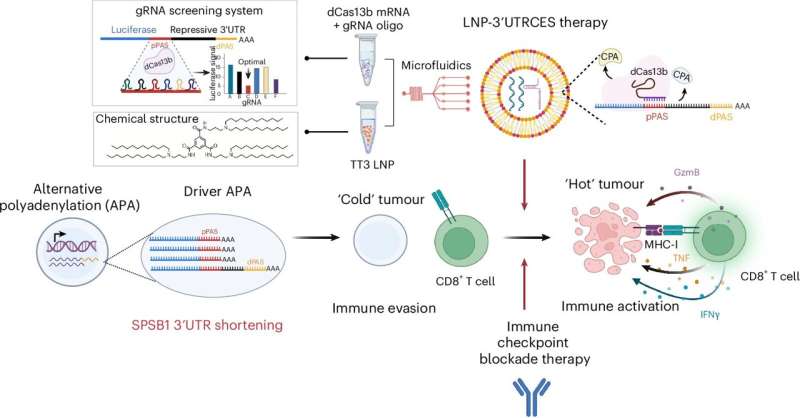
Most prostate tumors are dubbed “immune cold” because they don’t attract T cells (a type of immune cell) to the tumor. Using a CRISPR-based tool, researchers altered RNA to make the cancer cells more like magnets for T cells, allowing them to draw in and use the antitumor cells to destroy the cancer.
Published in Nature Biomedical Engineering, the study found the technology made prostate tumors more responsive to immune checkpoint therapy in mice, increasing the number of immune cells that infiltrated the tumor and subsequently destroyed cancerous cells.
“Immunotherapy is a monumentally different way to treat cancer, and a great way because you don’t have to give patients terrible drugs that kill the cancer but harm healthy cells in the process,” said Eric J. Wagner, Ph.D., co-author of the study from University of Rochester Medicine.