
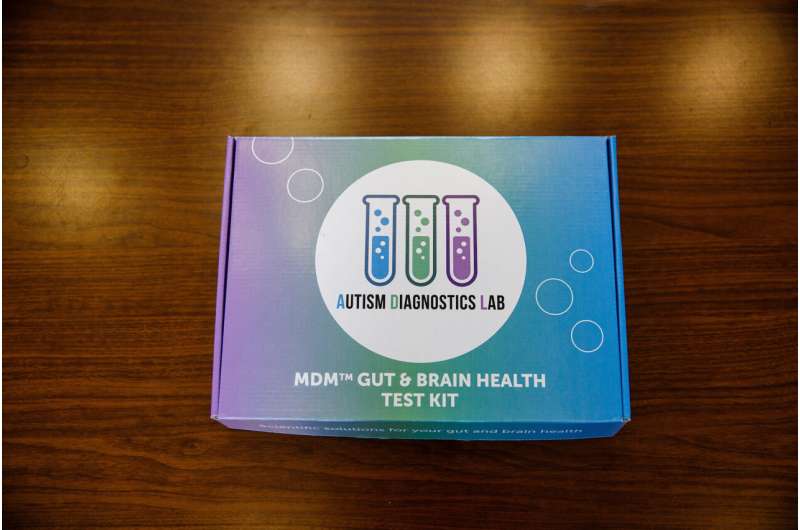
A simple urine test may help identify children at risk for autism sooner than current assessments—opening the door for earlier diagnosis and treatment, and better long-term outcomes for children who do have autism spectrum disorder.
Arizona State University scientists and their collaborators have developed a new screening tool to test urine for 17 microbial metabolites—small molecules produced by microorganisms in the gut—in children ages 2 to 11 years.
By measuring these compounds in urine, the team discovered that they could distinguish children with autism from typically developing children in their study groups with high accuracy.
And understanding the biological diversity within autism could help guide more targeted interventions, including approaches aimed at restoring a healthy gut microbiome.