
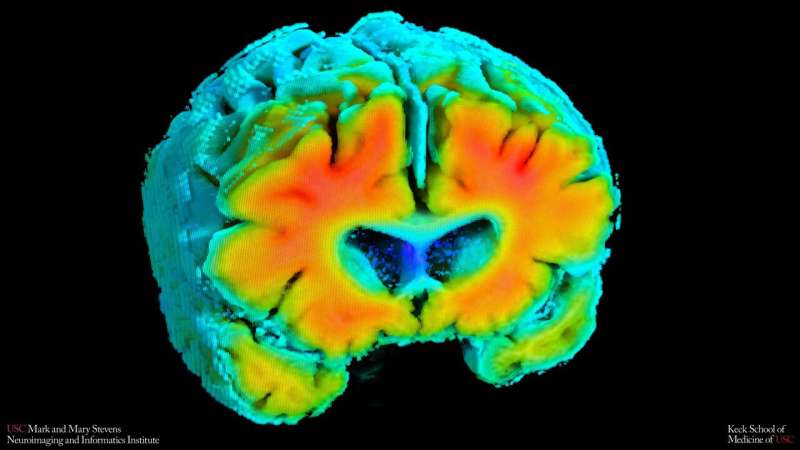
In a study published in Alzheimer’s and Dementia, Stevens INI researchers found that noninvasive measures of brain blood flow and oxygenation were associated with hallmark brain changes in older adults with and without cognitive impairment, including amyloid buildup and a smaller hippocampus, a region essential for memory.
The findings suggest that vascular health of the brain may play an important role early in the disease process and could help identify individuals at risk before significant symptoms appear.