
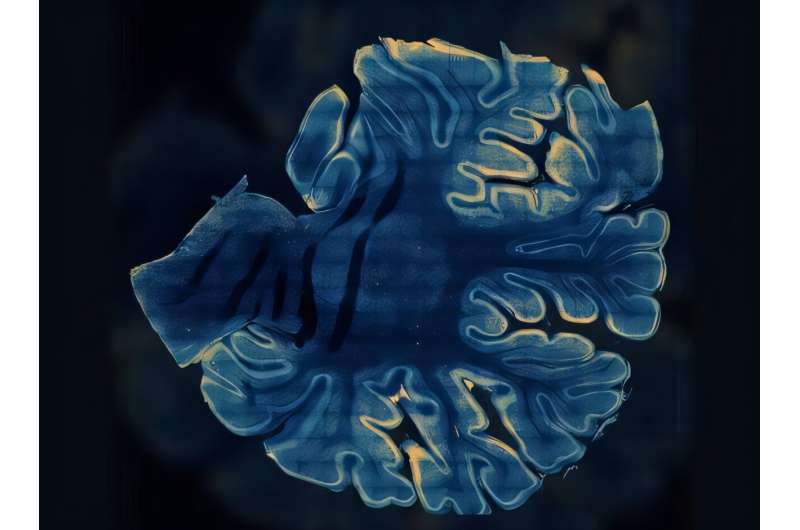
Novel molecular shuttle could expand delivery of medicines across the blood–brain barrier

The blood–brain barrier (BBB) is a protective filter that lines the brain's blood vessels and is notoriously hard to penetrate, making the treatment of brain disorders very difficult. Strategies designed to breach the BBB include using brain surgery and focused ultrasound waves to create physical openings for the transportation of medicines and employing engineered adeno-associated viruses (AAVs) to ferry genetic payloads into desired locations, but these methods have limitations. Now, researchers at Caltech have developed a new, more effective way to transport potentially life-changing therapeutics across the BBB.

“Despite the economic and social toll of billions of patients suffering from neurological and neuropsychiatric disorders, a major bottleneck remains in successfully delivering therapeutics to the brain to address these conditions,” says Viviana Gradinaru (BS ’05), the Troendle Professor of Neuroscience and Biological Engineering at Caltech, director and Davis Leadership Chair of the Merkin Institute for Translational Research at Caltech, and a Howard Hughes Medical Institute Investigator.

“Our work provides a new and powerful solution for delivery of both preexisting therapeutics that could, in principle, work but don’t reach the brain, and new therapeutics that haven’t been considered yet.”

Sign up for Blog Updates