
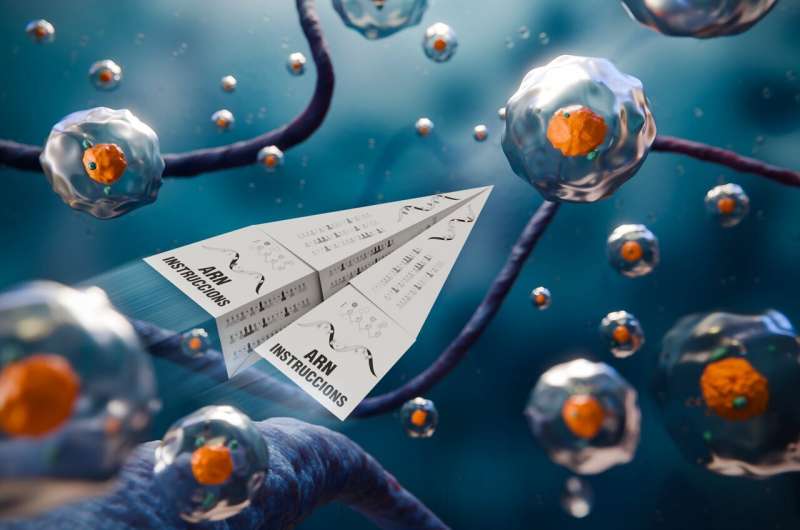
Inside every cell, genetic instructions are first copied into temporary messages. Before those messages are used, the cell cuts out some segments and stitches the rest together. This editing step allows a single gene to create different messages which produce different proteins, a necessary feature for complex life.
Almost all cancers hijack cellular splicing, altering how messages are cut and pasted. Tumors do this to produce protein variants that help them grow faster, hide from the immune system or resist treatment.
To understand this process, scientists usually measure the molecules that perform the editing, also known as splicing factors. However, these cellular editors can be controlled in many hidden ways, with their activity seemingly appearing unchanged even while the proteins themselves are being destroyed, chemically modified or moved to different parts of the cell.