
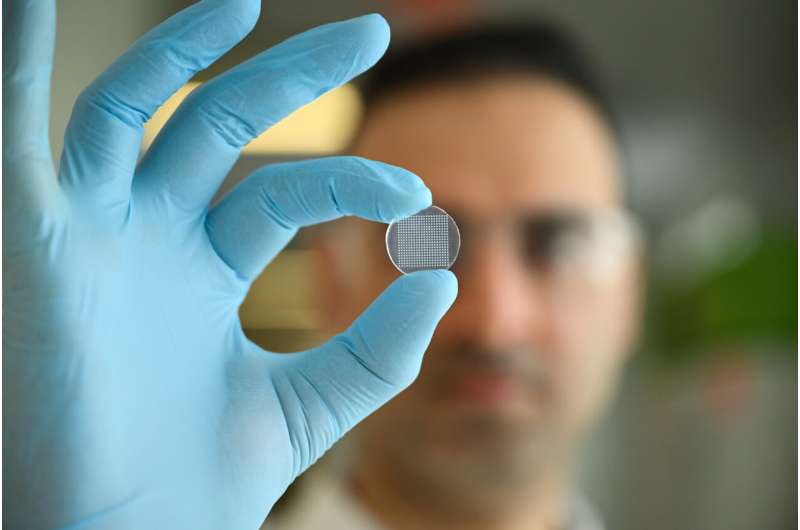
Already, the patch is helping researchers and clinicians study immune responses in aging and skin autoimmunity, including vitiligo and psoriasis. In the future, it could make it easier to track how people respond to vaccines, infections, and cancer therapies by complementing traditional blood tests and biopsies while being far easier on patients.
The study appears in Nature Biomedical Engineering.
“Traditionally, studying some of the most important immune cells in the body requires a skin biopsy or blood draws. Because many of these cells live and respond in tissues like the skin, accessing them has meant invasive procedures,” said Sasan Jalili, a biomedical engineer and immunologist at JAX.